
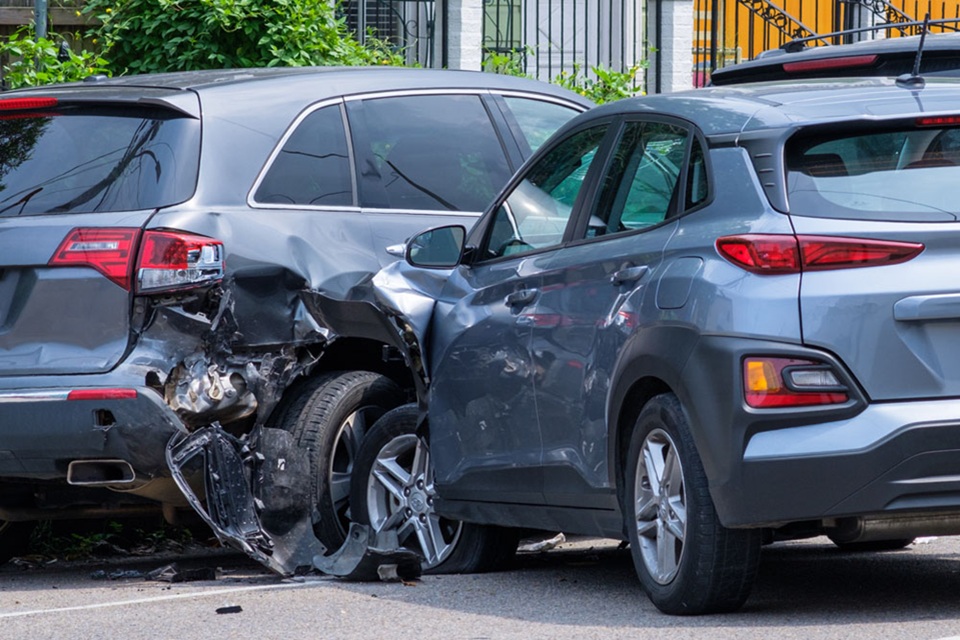
Left-turn accidents often lead to an immediate assumption that the turning driver caused the crash. Alabama traffic laws generally require drivers turning left to yield to approaching vehicles, but that doesn’t settle every collision. Speeding, traffic signals, poor visibility, and the actions of both drivers can make determining fault more complicated than it first appears.
The Turning Driver Isn’t Automatically Responsible For Every Crash
Alabama law requires a driver making a left turn to yield to oncoming traffic that is already in the intersection or close enough to create an immediate hazard. This rule applies at intersections and when turning into driveways or private roads. However, investigators must still examine what happened before the vehicles collided. A driver who began turning with adequate clearance may face a different situation if an approaching vehicle was traveling well above the speed limit.
Could The Oncoming Driver Have Contributed To The Collision?
Speed plays a major role in determining whether a left turn was reasonably safe. An approaching vehicle traveling faster than expected can close the available distance before the turning driver finishes crossing the lane. Investigators may examine skid marks, vehicle damage, surveillance footage, and electronic crash data to estimate speed. These findings can help establish whether the oncoming driver had enough time to react or whether excessive speed contributed to the collision.
Distracted driving creates another concern. A motorist looking at a phone may fail to slow down for changing traffic conditions or notice a vehicle entering the intersection. Poor visibility from hills, parked vehicles, or roadside structures can also affect what drivers reasonably should have seen. Someone searching for a car accident lawyer near me may need help examining these circumstances rather than relying solely on which vehicle was turning left.
Traffic Signals Can Change Who Had The Right Of Way
The type of traffic signal matters when determining responsibility for a left-turn accident. A protected green arrow generally allows a driver to complete the turn while conflicting traffic faces a stop signal. A steady green light without a protected arrow, however, usually requires the turning driver to yield to oncoming vehicles. Problems arise when drivers disagree about which signal was displayed. A personal injury attorney may review available camera footage, witness statements, and traffic signal records to help establish whether either driver entered the intersection unlawfully. Signal timing information can also help clarify disputed accounts, although it may not establish the exact light each driver saw.
Alabama’s Contributory Negligence Rule Makes Fault Disputes More Serious
Alabama follows a contributory negligence rule that can prevent an injured person from recovering damages if their own negligence contributed to the accident. This makes left-turn collisions especially difficult when both drivers may have made mistakes. A turning driver might fail to yield, while the oncoming motorist may have been speeding or ignoring a traffic signal. Determining whether either action legally contributed to the crash requires more than assigning percentages of blame. Certain legal exceptions may also affect the outcome.
Insurance companies often investigate these claims closely because evidence of contributory negligence can change settlement negotiations. Statements made shortly after an accident may also receive attention, especially if a driver admitted being distracted or misjudging another vehicle’s speed. Experienced accident and injury lawyers can review these statements alongside physical evidence. Drivers comparing auto accident lawyers near me should consider whether an attorney regularly handles disputed liability claims under Alabama law.
What Evidence Can Help Explain A Disputed Left-Turn Accident?
A thorough investigation should establish vehicle positions, traffic signal conditions, estimated speeds, and the actions each driver took before impact. Accident scene photographs, nearby security recordings, witness accounts, and police reports may provide useful details. Vehicle event data can sometimes help reconstruct the seconds before a crash, although availability varies by vehicle. Medical records and repair estimates then help document the resulting injuries and property damage. For those searching for a personal injury lawyer Huntsville AL, Wolfe Jones handles motor vehicle accident claims throughout North Alabama. Its attorneys can investigate disputed left-turn collisions, examine conflicting evidence, and help injured motorists determine whether another driver’s actions support a compensation claim.
